1
Get the type in writing
Ask the teacher or ensemble leader whether the player needs Veekku Chenda, Uruttu Chenda or another event-specific specification. Do not let “professional” replace that answer.
The wrong shortcut is “beginner versus professional.” The right starting point is the musical role your teacher or ensemble expects, followed by an exact written instrument and delivery specification.

Ask the teacher or ensemble leader whether the player needs Veekku Chenda, Uruttu Chenda or another event-specific specification. Do not let “professional” replace that answer.
State whether the instrument is for lessons, individual practice, Kathakali, melam, Mudiyettu, a temple ensemble, stage performance or another defined use.
Record the shell wood, head material, lacing, dimensions, approximate weight and finish for the actual instrument being offered.
Confirm the sticks, strap, protective cover or case, spare parts, packing method and any setup or adjustment guidance.
Write down the final price, deposit or payment point, preparation time, courier charge, destination lead time, damage process and who handles adjustments.
Match the written order to current images or video of the offered unit or documented model. An illustration or old catalogue photo is not proof of the supplied item.
| Label | How to treat it when buying |
|---|---|
| Veekku Chenda | A recognised Chenda type. Confirm its required ensemble role, physical build and playing specification with the teacher and supplier. |
| Uruttu Chenda | A distinct recognised Chenda type. Do not substitute it for Veekku or another role solely because the price or photograph looks similar. |
| Professional specification | A Kairali ordering category, not a complete technical standard. It still requires type, materials, dimensions, included parts and use to be written down. |
| Temple / ensemble specification | A purpose-oriented enquiry route. The exact tradition, ensemble role, venue and teacher or leader requirement must be identified. |
| Made on request | The product is not represented as ready UAE stock. Preparation time, actual availability, packing and shipping are confirmed before payment. |
Ask for clear views around the full cylinder. Look for declared material, a clean structure and no undisclosed cracks or impact damage.
Request close views of both openings and edges. Ask the maker to confirm materials, preparation and any visible marks or repairs.
Check that lacing is complete and orderly. Do not perform retensioning without guidance specific to that instrument.
Confirm strap type, attachment points and whether the player's height and strength suit the offered dimensions and weight.
Confirm how many sticks are included and whether their shape and size match the teacher's technique requirement.
Where possible, ask for a current short recording of the offered unit or model. A phone recording is limited, but it is better than choosing from a silent image.
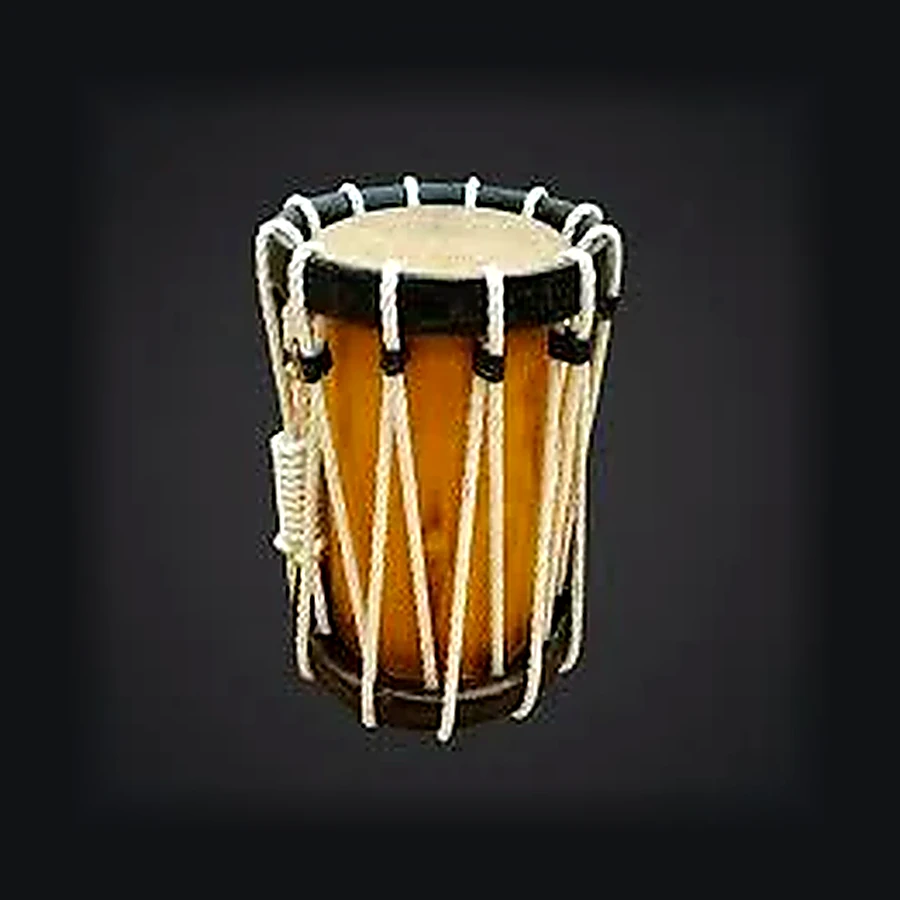
AED 315 · MRP AED 400. Final type, construction, included parts, availability, preparation time and shipping are confirmed before payment.
Weight affects handling, but there is no single catalogue weight that safely defines every Chenda type. Ask for the actual offered instrument's weight and dimensions, then confirm suitability with the teacher.
No. Price may reflect construction, finish, maker, packing or other factors. The musical type and role must be confirmed independently.
No. The photographs on these pages show a Chenda for reference, because the product is made on request. Ask for current evidence of the actual unit or documented model before payment.
That is risky. Ask the player's teacher or ensemble first. The wrong Chenda type may be unsuitable even when it looks impressive.
This protects the learner, the teacher, Kairali and the supplier from an avoidable specification mistake.